

Blog
Best Moisturizer for Dry and Dull Skin: How to Choose the Right Formula

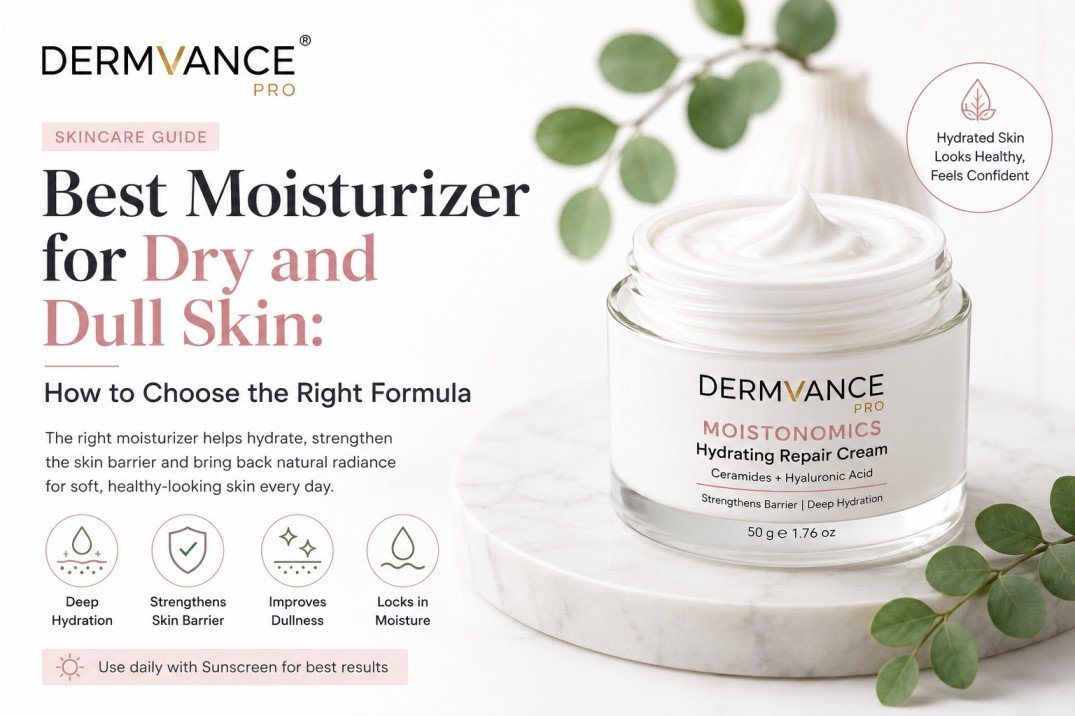
Dry and dull skin can make the face look tired, rough, uneven, and less radiant. Many people try face washes, serums, exfoliating products, or brightening creams first, but one of the most important steps is often overlooked: moisturizer.
Choosing the best moisturizer for dry and dull skin can help support hydration, comfort, smoother texture, and a healthier-looking glow. A good moisturizer does more than make the skin feel soft for a few minutes. It helps maintain moisture, supports the skin barrier, and completes your daily skincare routine.
Dry and dull skin can happen because of weather, harsh cleansing, dehydration, sun exposure, over-exfoliation, aging, or using active ingredients without enough hydration support. That is why moisturizer is important after cleansing, Vitamin C serum, glycolic acid, and other treatment products.
This guide explains how to choose the right moisturizer for dry and dull skin, what ingredients to look for, how moisturizer supports different skin types, and how to use it in a simple skincare routine.
You can also explore Dermvance Pro Skin Care products to build a routine based on your skin concern.
What Does Dry and Dull Skin Mean?
Dry and dull skin are related, but they are not exactly the same.
Dry skin usually means the skin lacks enough oil or natural moisture support. It may feel tight, rough, flaky, or uncomfortable.
Dull skin usually means the skin looks tired, flat, uneven, or less radiant. It may not always feel dry, but it can appear lifeless or rough.
Many people experience both together. When skin is dry, it can reflect light unevenly, making the face look dull and textured. When dull skin is also dehydrated, makeup may look patchy and skincare products may not sit smoothly.
Common signs of dry and dull skin include:
- Tightness after washing
- Rough texture
- Flaky patches
- Tired-looking complexion
- Uneven-looking tone
- Lack of glow
- Makeup settling into dry areas
- Skin that feels uncomfortable after cleansing
- Fine lines looking more noticeable due to dryness
- Skin that looks flat or less fresh
A good moisturizer can help support softness, hydration, and a smoother-looking finish.
For cleanser guidance, read Hydrating Face Wash for Dull Skin: What to Look for Before Buying.
Dry Skin vs Dehydrated Skin
Before choosing a moisturizer, it is important to understand the difference between dry skin and dehydrated skin.
Dry Skin
Dry skin is a skin type. It usually produces less natural oil than normal or oily skin.
Dry skin may feel:
- Tight
- Rough
- Flaky
- Itchy
- Uncomfortable
- Sensitive in cold weather
Dry skin often needs richer moisturizing support.
Dehydrated Skin
Dehydrated skin is a condition, not a skin type. It means the skin lacks water.
Even oily skin can become dehydrated. Dehydrated skin may look dull, tired, or slightly rough, while still producing oil.
Dehydrated skin may feel:
- Tight but oily
- Dull
- Rough
- Less plump
- Sensitive after cleansing
- Uneven in texture
A hydrating moisturizer for face routines can help support dehydrated-looking skin by adding moisture-friendly ingredients.
Why Moisturizer Matters in a Skincare Routine
Moisturizer is not only for people with dry skin. It is an important step for most skincare routines because it helps keep the skin comfortable and balanced.
A moisturizer can help:
- Support hydration
- Reduce dryness and tightness
- Improve skin softness
- Support smoother-looking texture
- Help maintain the skin barrier
- Reduce rough appearance
- Support comfort after active ingredients
- Make sunscreen and makeup apply better
- Improve the overall look of dull skin
A moisturizer also helps balance routines that include brightening serums, exfoliating products, acne-care ingredients, and sunscreen.
If you use products like Vitamin C or glycolic acid, moisturizer becomes even more important.
What Makes a Moisturizer Good for Dry and Dull Skin?
The best moisturizer for dry and dull skin should support hydration, comfort, barrier care, and a smoother-looking finish.
A good formula should:
- Feel comfortable on the skin
- Reduce dryness after cleansing
- Support a fresh and healthy-looking glow
- Work well under sunscreen
- Suit your skin type
- Not feel irritating
- Support barrier comfort
- Fit into morning and night routines
A moisturizer should not feel too heavy for your skin type, but it should also not disappear so quickly that the skin feels dry again within minutes.
Key Ingredients to Look for in a Moisturizer
A moisturizer is usually made with different ingredient types. The best formulas often combine hydration, softening, and barrier-support ingredients.
Humectants: For Hydration Support
Humectants are ingredients that help attract and hold water in the skin’s surface layers.
Common humectants include:
- Hyaluronic Acid
- Glycerin
- Panthenol
- Aloe Vera
- Sodium PCA
Hyaluronic Acid
Hyaluronic acid is commonly used in skincare for hydration support. It can help skin look fresher, smoother, and more plump.
A moisturizer with hyaluronic acid may be useful for dry, dull, or dehydrated-looking skin.
Glycerin
Glycerin is a widely used moisturizing ingredient. It helps support skin hydration and comfort.
It works well in daily moisturizers because it is suitable for many skin types.
Emollients: For Softness and Smoothness
Emollients help soften and smooth the skin surface.
They are useful when the skin feels rough, flaky, or uneven.
Common emollient ingredients may include:
- Squalane
- Fatty alcohols
- Plant oils
- Esters
- Shea butter
- Lightweight silicones
Emollients can make dry and dull skin feel more comfortable and look smoother.
Barrier-Support Ingredients
The skin barrier helps protect the skin and maintain moisture. When the barrier feels weak, skin may become dry, sensitive, rough, or irritated.
Barrier-support ingredients may include:
- Ceramides
- Niacinamide
- Panthenol
- Cholesterol
- Fatty acids
- Centella Asiatica
Ceramides
Ceramides are commonly used in moisturizers for barrier support. They can be helpful for dry, sensitive, or uncomfortable skin.
Niacinamide
Niacinamide is a versatile skincare ingredient. It is commonly used for barrier support, uneven-looking tone, oil balance, and overall skin comfort.
It can be helpful in a moisturizer for skin barrier support.
Brightening-Support Ingredients
If dullness is your main concern, choose a moisturizer that supports glow and skin radiance.
Brightening-support ingredients may include:
- Niacinamide
- Vitamin C derivatives
- Licorice extract
- Glutathione
- Peptides
- Antioxidants
A moisturizer for glowing skin should support radiance without irritating the skin.
For a complete brightening routine, read Vitamin C Serum for Dull and Uneven Skin.
How to Choose Moisturizer Based on Skin Type
Not every moisturizer is suitable for every skin type. The right formula depends on your skin’s needs.
For Dry Skin
Dry skin usually needs richer moisture support.
Look for:
- Creamy texture
- Ceramides
- Hyaluronic Acid
- Glycerin
- Squalane
- Shea butter
- Panthenol
- Barrier-support ingredients
Avoid products that make the skin feel tight shortly after application.
A moisturizer for dry skin should leave the skin feeling comfortable, soft, and supported.
For Dull Skin
Dull skin needs hydration, smoothness, and radiance support.
Look for:
- Hyaluronic Acid
- Niacinamide
- Antioxidants
- Lightweight emollients
- Brightening-support ingredients
- Barrier-friendly formula
A moisturizer for dull skin should help the complexion look fresher and smoother.
For Dry and Uneven Skin
Dryness can make uneven tone and texture appear more noticeable.
Look for:
- Hydrating ingredients
- Barrier support
- Brightening-support ingredients
- Gentle formula
- Non-irritating texture
A moisturizer for dry and uneven skin should support comfort first. If the skin barrier is irritated, active ingredients may feel uncomfortable.
For Oily but Dehydrated Skin
Oily skin can still need moisturizer.
Look for:
- Lightweight gel cream
- Non-greasy texture
- Hyaluronic Acid
- Glycerin
- Niacinamide
- Oil-balance support
Avoid skipping moisturizer completely. When oily skin is dehydrated, it may feel tight but still look shiny.
For Combination Skin
Combination skin needs balance.
Look for:
- Lightweight cream or gel cream
- Hydration support
- No heavy residue
- Comfortable finish
- Suitable for daily use
You can apply a little more moisturizer to dry areas and less to oily areas.
For Sensitive Skin
Sensitive skin needs a gentle and barrier-supportive moisturizer.
Look for:
- Fragrance-free or low-irritation formulas when possible
- Ceramides
- Panthenol
- Aloe Vera
- Centella Asiatica
- Minimal harsh actives
Avoid using strong exfoliating or brightening products until the skin feels calm.
Moisturizer After Glycolic Acid: Why It Is Important
If you use glycolic acid, moisturizer is essential.
Glycolic acid exfoliates the skin surface and can support smoother, brighter-looking skin. However, if used without enough hydration and barrier support, it may cause dryness, tightness, redness, or peeling.
A moisturizer after glycolic acid helps:
- Reduce dryness
- Support skin comfort
- Maintain hydration
- Protect the skin barrier
- Reduce irritation risk
- Make exfoliation easier to tolerate
A simple night routine with glycolic acid may look like this:
Gentle cleanser → Glycolic acid product → Moisturizer
Avoid combining too many active ingredients on the same night.
For more guidance, read Glycolic Acid for Dull and Uneven Skin: Benefits, Uses, and How to Use It Safely.
Moisturizer After Vitamin C Serum
Vitamin C serum is commonly used for dullness, uneven-looking tone, and radiance support.
Using moisturizer after Vitamin C serum can help keep the skin comfortable and hydrated.
A simple morning routine may look like this:
Face wash → Vitamin C serum → Moisturizer → Sunscreen
Moisturizer helps lock in comfort before sunscreen and may reduce dryness for people using active brightening products.
If your Vitamin C serum already includes hydrating ingredients, you may still need moisturizer depending on your skin type.
Moisturizer and Sunscreen: Do You Need Both?
Yes, moisturizer and sunscreen have different roles.
Moisturizer supports hydration and comfort.
Sunscreen helps protect skin from UV exposure.
Even if your sunscreen feels moisturizing, people with dry and dull skin may still benefit from a separate moisturizer underneath.
A daytime routine can be:
Cleanser → Serum → Moisturizer → Sunscreen
Sunscreen should usually be the final step in the morning skincare routine.
For sunscreen selection, read Broad-Spectrum SPF 50 Sunscreen for All Skin Types.
Morning Routine for Dry and Dull Skin
A morning routine should focus on hydration, comfort, radiance support, and sun protection.
Step 1: Cleanse Gently
Use a hydrating face wash or gentle cleanser. Avoid harsh soap or over-cleansing.
Step 2: Apply Serum
If suitable, use a Vitamin C serum or hydrating serum.
Step 3: Apply Moisturizer
Use a moisturizer that matches your skin type. Dry skin may need a richer formula, while oily or combination skin may prefer a lightweight texture.
Step 4: Apply Sunscreen
Use broad-spectrum sunscreen every morning. Sunscreen is important for dullness, uneven tone, dark spots, and overall skin protection.
Morning routine:
Hydrating face wash → Serum → Moisturizer → Sunscreen
Night Routine for Dry and Dull Skin
A night routine should focus on removing buildup and supporting skin comfort.
Step 1: Remove Sunscreen and Makeup
If you wear sunscreen or makeup, remove it properly at night.
Step 2: Cleanse
Use a gentle cleanser to remove dirt, oil, and product residue.
Step 3: Apply Treatment if Needed
Use glycolic acid, brightening serum, or another treatment product only as directed.
Do not overload the skin with too many active products.
Step 4: Apply Moisturizer
Moisturizer is important at night because it supports comfort while the skin rests.
Night routine:
Cleanser → Treatment product if needed → Moisturizer
Common Mistakes When Choosing Moisturizer
Choosing Only by Skin Type Label
“Dry skin” or “all skin types” labels are helpful, but you should still check texture, ingredients, and how your skin feels after use.
Skipping Moisturizer Because Skin Is Oily
Oily skin can still be dehydrated. A lightweight moisturizer may help balance comfort.
Using Too Many Active Ingredients
Moisturizer should support the skin, not irritate it. Avoid choosing moisturizers loaded with too many strong actives if your skin is sensitive.
Applying Too Much Product
A thick layer is not always better. Use a suitable amount and adjust based on skin needs.
Not Moisturizing After Exfoliation
After glycolic acid or exfoliating products, moisturizer is important for barrier support.
Skipping Sunscreen
Moisturizer does not replace sunscreen. Daytime routines should include SPF.
Using Heavy Cream Under Everything
Very heavy moisturizers may not suit oily or acne-prone skin. Choose based on skin type and routine.
Changing Products Too Frequently
Give your skin time to adjust unless the product causes irritation.
How Long Does Moisturizer Take to Improve Dry and Dull Skin?
Moisturizer can often make skin feel more comfortable quickly, but visible improvement in dullness, texture, and radiance may take consistent use.
Some effects, such as reduced tightness or softer-feeling skin, may be noticed sooner.
Longer-term improvement depends on:
- Skin type
- Product formula
- Weather
- Cleansing habits
- Sunscreen use
- Active ingredients in the routine
- Hydration habits
- Skin barrier condition
- Consistency
No moisturizer can guarantee a fixed timeline or permanent correction of every cause of dullness.
When Should You Consult a Dermatologist?
Consult a dermatologist if dryness or dullness is linked with:
- Severe flaking
- Burning
- Persistent redness
- Cracking
- Pain
- Bleeding
- Rashes
- Sudden pigmentation
- Severe sensitivity
- Skin that does not improve with basic care
- Signs of eczema, dermatitis, or allergy
A dermatologist can help identify whether the issue is cosmetic, environmental, or medical.
Why Choose Dermvance Pro for Dry and Dull Skin Care?
Dermvance Pro offers concern-based skincare products for hydration, brightening, sun protection, acne care, exfoliation, and daily skin support.
For dry and dull skin routines, relevant Dermvance Pro categories include:
A simple Dermvance Pro-inspired routine for dry and dull skin may include:
- Hydrating face wash
- Brightening or hydrating serum
- Moisturizer
- Broad-spectrum sunscreen
The goal is to build a balanced routine that supports clean, hydrated, smoother, and more radiant-looking skin without overcomplicating daily care.
Frequently Asked Questions
What is the best moisturizer for dry and dull skin?
The best moisturizer for dry and dull skin should support hydration, skin comfort, barrier care, and smoother-looking texture. Look for ingredients like Hyaluronic Acid, Glycerin, Ceramides, Niacinamide, Panthenol, and softening emollients.
Can moisturizer help dull skin?
Yes. Moisturizer can help dull skin look fresher and smoother by supporting hydration and reducing dry, rough texture.
Should I use moisturizer every day?
Most people can benefit from daily moisturizer, especially after cleansing or using active skincare products.
Is moisturizer needed after Vitamin C serum?
Yes, moisturizer after Vitamin C serum can help support hydration and comfort before sunscreen.
Should I apply moisturizer after glycolic acid?
Yes. Moisturizer after glycolic acid is important because exfoliating acids may cause dryness or irritation if the skin is not properly supported.
Can oily skin use moisturizer?
Yes. Oily skin can still be dehydrated. A lightweight, non-greasy moisturizer may be suitable.
What is the difference between hydrating and moisturizing?
Hydrating usually refers to adding water support to the skin, while moisturizing helps reduce water loss and keeps the skin comfortable. Good moisturizers often do both.
Can moisturizer replace sunscreen?
No. Moisturizer does not replace sunscreen. Use sunscreen during the day as the final step of your morning routine.
Which moisturizer is good for glowing skin?
A moisturizer for glowing skin should support hydration, smoothness, and barrier comfort. Ingredients like Hyaluronic Acid, Niacinamide, and antioxidants may be useful.
Where can I buy Dermvance Pro moisturizer products?
You can explore Dermvance Pro skincare products on the official Dermvance Pro website and the Skin Care category.
Conclusion
Choosing the best moisturizer for dry and dull skin is an important part of building a healthy-looking skincare routine. Dryness, dehydration, rough texture, and a weak skin barrier can all make the complexion look tired and less radiant.
A good moisturizer should support hydration, comfort, smoothness, and barrier care. Ingredients like Hyaluronic Acid, Glycerin, Ceramides, Niacinamide, Panthenol, and emollients can help dry and dull skin feel softer and look fresher.
Moisturizer is especially important after cleansing, Vitamin C serum, glycolic acid, and other active skincare products. It should also be paired with sunscreen during the day.
Explore Dermvance Pro Skin Care products to build a simple routine for hydrated, smoother, and more radiant-looking skin.

